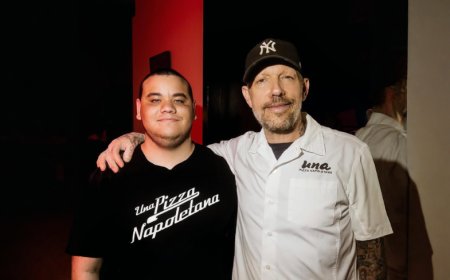
Llama Inn and the Rise of Modern Peruvian Cuisine in New York
Explore how Chef Erik Ramirez has transformed Peruvian cuisine at Llama Inn in Brooklyn, blending tradition and innovation to create bold, globally-inspired dishes in the heart of Williamsburg.

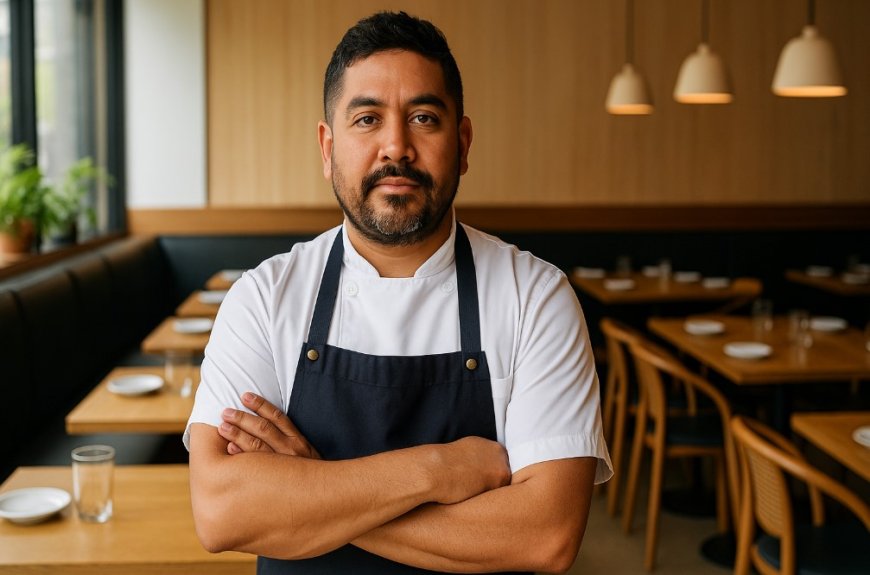
A Culinary Journey from the Andes to Brooklyn
In the ever-evolving food scene of New York City, where global cuisines converge and reimagine themselves daily, Llama Inn has stood out—not just as a restaurant, but as a cultural movement. Located in the heart of Williamsburg, Brooklyn, this stylish yet soulful eatery has been redefining what Peruvian cuisine looks and tastes like in America for nearly a decade.
At the center of this transformation is Chef Erik Ramirez, whose dishes strike a rare balance between heritage and invention. With a culinary philosophy rooted in the diverse influences that define Peruvian food—Indigenous, Spanish, African, Chinese, Japanese, and even Italian—Ramirez crafts menus that are bold, unexpected, and deeply personal.
Llama Inn isn’t just introducing New Yorkers to dishes like anticuchos and lomo saltado. It’s offering a nuanced, exciting perspective on a cuisine shaped by centuries of migration, trade, and multicultural exchange.
The Story Behind the Concept: Peru Reimagined for New York
When Llama Inn opened in Williamsburg, it filled a unique niche. Peruvian cuisine had long been celebrated for its vibrant flavors and incredible biodiversity, but it wasn’t often represented at the level of modern, chef-driven dining experiences. Ramirez changed that.
With prior experience in fine dining kitchens like Eleven Madison Park and a deep respect for his Peruvian heritage, Ramirez created a restaurant that felt both authentic and forward-thinking. He wasn’t interested in simply replicating recipes from Lima—he wanted to interpret them through a New York lens, reflecting the city’s energy, diversity, and creativity.
In doing so, Llama Inn became a bridge between two cultures, showcasing Peru’s culinary DNA while welcoming global techniques and ideas. The result? A menu that’s as dynamic as the city itself.
A Chef’s Philosophy: Tradition Without Boundaries
At the core of Ramirez’s approach is a profound respect for history, paired with a fearless sense of experimentation. His food doesn’t shy away from tradition—it celebrates it—but it’s never stuck in the past.
Whether he’s drawing from his own family’s recipes or exploring underappreciated ingredients from Peru’s coastal and mountain regions, Ramirez seeks to create context through contrast. Japanese and Chinese influences—integral to the evolution of Peruvian cuisine—are embraced through the use of soy, miso, and dashi. Spanish techniques inform the restaurant’s emphasis on stews, spice, and bold sauces. And African roots show up in the form of spice blends and slow-cooked meats.
For Ramirez, Peruvian food is inherently fusion, long before fusion became a buzzword. That legacy gives him the creative license to push boundaries without ever losing the thread.
What Makes the Menu Special: Signature Dishes at Llama Inn
The dishes at Llama Inn are as colorful as they are complex. Here are five essential items that have come to define the restaurant’s identity:
1. Ceviche with Leche de Tigre
This signature appetizer honors the coastal traditions of Peru with a fresh, bracing mix of raw fish, lime juice, and house-made leche de tigre. The version at Llama Inn often includes yuzu or rocoto pepper for extra depth, delivering a punch of acidity and spice that wakes up the palate.
2. Anticuchos (Skewered Meats)
A nod to Peruvian street food, these grilled skewers—often made with beef heart, chicken thigh, or pork belly—are marinated in aji panca and vinegar before being charred to perfection. Served with sauces like huacatay or rocoto mayo, they are bold, smoky, and deeply satisfying.
3. Lomo Saltado
One of Peru’s most famous comfort dishes, this stir-fry of tender beef, onions, tomatoes, and soy sauce is traditionally served with fries and rice. At Llama Inn, it gets elevated with fine cuts of meat and creative plating, while maintaining all the flavor of the original.
4. Quinoa and Sweet Potato Tacu Tacu
A vegetarian favorite that reinterprets a traditional rice-and-bean cake, this dish combines crispy quinoa, sweet potato puree, and tangy pickled vegetables. The textures are layered and the flavors balance sweet, sour, and umami effortlessly.
5. Duck Sausage with Cilantro Rice
This inventive entrée takes influence from arroz con pato, using house-made duck sausage paired with cilantro-infused rice, pickled onions, and crunchy garlic. It’s rustic and refined all at once—a perfect encapsulation of the Llama Inn ethos.
Beyond Brooklyn: Expanding the Llama Universe
Llama Inn’s success in Williamsburg opened the door for new ventures. Llama San, located in Manhattan’s West Village, is a Nikkei-style restaurant that leans more into the Japanese-Peruvian culinary thread. With dishes like uni-topped tiradito and dashi-based stews, Llama San offers a more intimate, nuanced take on fusion cuisine.
And soon, Ramirez will launch Papa San at The Spiral in Hudson Yards—a third concept focused on small plates, sake, and Latin-infused cocktails. This project reflects the chef’s growing interest in mixology and beverage pairings, adding another dimension to his culinary empire.
What unites all of these ventures is a commitment to global storytelling. Ramirez isn’t just cooking Peruvian food—he’s cooking from a Peruvian perspective, drawing inspiration from all over the world.
Why Llama Inn Still Matters, Nearly a Decade Later
In an industry that moves fast and often forgets its pioneers, Llama Inn remains a cornerstone of NYC’s dining scene. It helped shift perceptions of what Peruvian food could be, especially for a younger generation of chefs now riffing on similar themes.
But Ramirez doesn’t see that as competition—he sees it as growth. To him, seeing dishes that echo his work in other kitchens is a sign that the cuisine is evolving, spreading, and finding new voices. And that was the goal all along.
Conclusion: A Restaurant That Leads with Flavor and Culture
Llama Inn is more than a restaurant—it’s a cultural conversation, a space where food becomes a medium for connection, memory, and exploration. Through the vision of Chef Erik Ramirez, it continues to champion the complexity of Peruvian identity, while opening doors to new interpretations and influences.
As Ramirez expands his portfolio and inspires others, one thing remains constant: the mission to give Peruvian cuisine the spotlight it has always deserved—not as a trend, but as a lasting force in the global food conversation.
What's Your Reaction?
 Like
0
Like
0
 Dislike
0
Dislike
0
 Love
0
Love
0
 Funny
0
Funny
0
 Angry
0
Angry
0
 Sad
0
Sad
0
 Wow
0
Wow
0