Sushi Akira: Where French Elegance Meets Japanese Precision on the Upper East Side
Discover Sushi Akira, a refined omakase destination in NYC led by chef Nikki Zheng, blending French techniques with Japanese tradition in a stunning 12-seat experience.

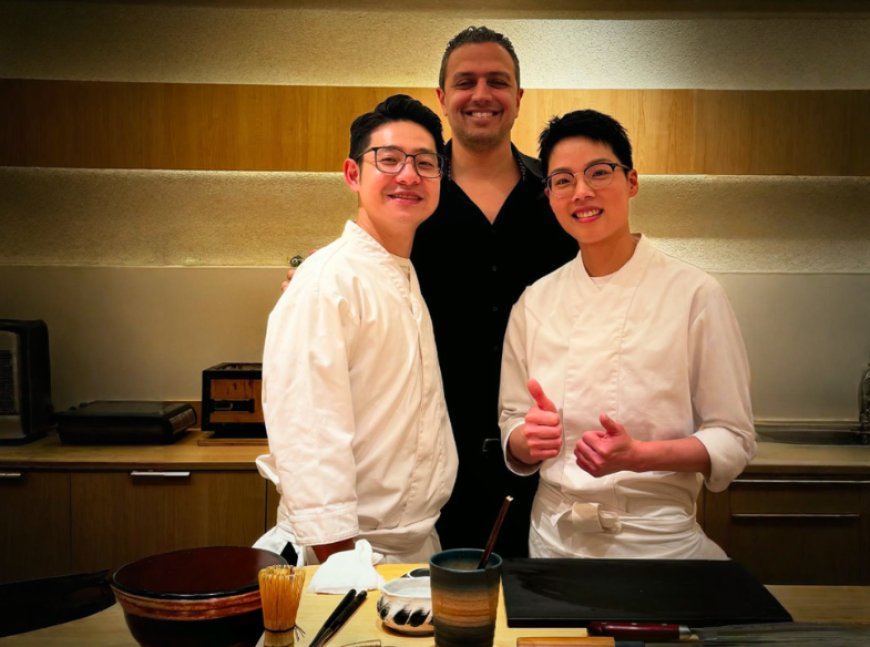
A Harmonious Blend of Cultures: Sushi Akira Redefines Omakase on the Upper East Side
Tucked away in a serene stretch of the Upper East Side, Sushi Akira brings a unique and artistic interpretation of omakase to one of New York City’s most refined neighborhoods. Helmed by chef-owner Nikki Zheng, the intimate, 12-seat sushi counter delivers more than just a dining experience—it offers an immersive culinary performance rooted in Japanese tradition, elevated by French technique.
The omakase scene in New York is saturated with talent, but Zheng has carved a distinctive niche by merging her classical Japanese training with contemporary French aesthetics. At Sushi Akira, every detail—from the plating to the progression of flavors—speaks to a chef who sees food as art and hospitality as theater.
The Story Behind the Concept: A Culinary Journey Refined by Heritage and Innovation
Before opening Sushi Akira, Nikki Zheng built her career quietly but powerfully in some of the city’s most prestigious kitchens. Her time at Tsukimi, a Michelin-starred kaiseki restaurant in the East Village, was pivotal. There, she was immersed in the philosophy of Japanese seasonality, discipline, and attention to detail, while also learning to integrate French culinary principles such as textural contrast, layering of flavors, and refined presentations.
Sushi Akira is the culmination of that experience—a restaurant where traditional omakase structure is preserved, but artistic freedom is welcomed. It’s a balance of reverence and rebellion, blending decades-old sushi methods with unexpected flourishes inspired by haute cuisine.
A Chef’s Culinary Philosophy: Artistry, Balance, and Seasonal Integrity
Chef Zheng’s approach to omakase centers around balance and storytelling. She views each guest’s progression through the tasting menu as a journey, with emotional highs and calming interludes. Her dishes don’t merely showcase premium ingredients—they tell a tale of travel, discipline, and culinary curiosity.
What sets Zheng apart is her artistic mindset. Every course at Sushi Akira is not just plated but composed, often resembling minimalist still-life paintings. The seasonal themes are expressed through edible flowers, vegetable-infused gels, micro herbs, and elegant plating that mirrors the colors and textures of nature.
But don’t let the beauty distract from the substance. Flavors are deeply considered. She respects the purity of seafood, often sourced from Japan or the American Northeast, and pairs them with delicate enhancements rather than overwhelming garnishes. Her use of foie gras, sabayon, and French pastry elements—while rare in traditional sushi—are precise, restrained, and surprisingly harmonious.
What Makes the Menu Special: From Sakizuke to Finale
At Sushi Akira, the omakase begins with a sakizuke—the opening bite designed to awaken the palate and set the tone for what’s to come. Chef Zheng’s sakizuke feels more like a miniature sculpture than an appetizer. A sliver of foie gras, no bigger than a matchstick, rests on crisp pastry, surrounded by flower petals and dabs of gelée. This dish instantly signals that while Sushi Akira is rooted in Japanese omakase, it is unafraid to venture beyond its borders.
As the meal progresses, Zheng showcases a variety of techniques, including:
-
Cured and torched fish: Highlighting texture, umami, and the Maillard effect without compromising the fish's natural flavor.
-
House-aged cuts: Allowing for intensified flavor and buttery mouthfeel, particularly with items like chutoro or akami.
-
French sauces: Used sparingly—like a yuzu sabayon or a reduction glaze—to add depth to particular bites without overpowering the fish.
-
Vegetable pairings: Marinated daikon, grilled shishito, and infused pickles offer a palate reset between courses.
Dessert is kept subtle—often a Japanese sweet with a whisper of French influence, such as black sesame panna cotta or a miso caramel tart served with matcha.
The beverage program is equally thoughtful. A curated sake list, featuring both junmai daiginjo and seasonal offerings, is joined by a tight wine list favoring mineral-forward whites and low-intervention reds that complement the umami-rich menu.
The Setting: A Stage for Culinary Intimacy
Sushi Akira's interior mirrors the philosophy behind its food—clean, precise, and intentional. The space is dimly lit, highlighting the natural grain of the wooden counter, the shimmer of hand-forged knives, and the vibrant hues of each plate. There are no distractions. The focus remains entirely on the food and the interaction between guest and chef.
At just 12 seats, the experience feels deeply personal. Zheng doesn’t rush through the courses. She makes eye contact, shares context when needed, and lets silence accompany the most expressive dishes. It’s a space where diners feel seen, and the chef’s passion becomes palpable.
An Upper East Side Gem for the Culinary Curious
Located in a neighborhood known more for classic eateries than avant-garde sushi, Sushi Akira is a refreshing departure. It appeals not only to seasoned omakase aficionados but also to newcomers seeking artful cuisine in an intimate setting.
Reservations are essential, and the restaurant’s limited seating ensures exclusivity without pretense. It’s the kind of place people return to—season after season—just to see how Zheng interprets spring, fall, or a fleeting fish run.
Conclusion: Where Tradition Meets Innovation—Gracefully
Sushi Akira is more than a restaurant—it’s a dialogue between cultures, techniques, and time. Chef Nikki Zheng has created something both delicate and daring on the Upper East Side, an omakase experience that balances the quiet rigor of Japanese culinary tradition with the artistic risk-taking of French gastronomy.
What's Your Reaction?
 Like
0
Like
0
 Dislike
0
Dislike
0
 Love
0
Love
0
 Funny
0
Funny
0
 Angry
0
Angry
0
 Sad
0
Sad
0
 Wow
0
Wow
0